
Essential Resources
Learn how to maintain and protect your home and safety.
Florida Home Life Expectancy Chart
The life expectancy of a home's components can vary greatly depending on the climate, and Florida presents some of the most challenging conditions in the country. Unlike many northern states that experience four distinct seasons, Florida homes are exposed to year-round heat, intense sunlight, high humidity, frequent heavy rain, and the threat of tropical storms and hurricanes. These conditions place constant stress on roofing materials, exterior paint, caulking, windows, doors, air conditioning systems, and other building components. The combination of ultraviolet (UV) rays and high temperatures causes many materials to dry out, crack, fade, and deteriorate more quickly than they would in cooler climates. At the same time, Florida's high humidity encourages the growth of mold, mildew, and wood rot while also increasing the likelihood of corrosion on metal components.
The state's long cooling season also affects the lifespan of mechanical systems. Air conditioning units in Florida often operate for much of the year, sometimes running nearly every day, which causes more wear and tear than systems in northern climates that may only be used for a few months each summer. Roofing materials are exposed not only to constant sun but also to wind-driven rain, hail, and the extreme weather associated with hurricanes and tropical storms. Salt air in coastal communities can further accelerate corrosion of metal roofing, fasteners, electrical equipment, and outdoor fixtures.
Because of these unique environmental conditions, the estimated life expectancy of many home components in Florida is often shorter than national averages. Regular maintenance, timely repairs, and routine inspections are essential to maximizing the lifespan of a home's systems and preventing minor issues from becoming costly problems. The life expectancy chart provided on this website is intended as a general guideline based on Florida's climate and typical conditions. Actual service life will vary depending on the quality of the original installation, the materials used, exposure to the elements, usage, and the level of ongoing maintenance. Proper care can significantly extend the life of many components, while neglect or severe weather may shorten it considerably.

click here to download
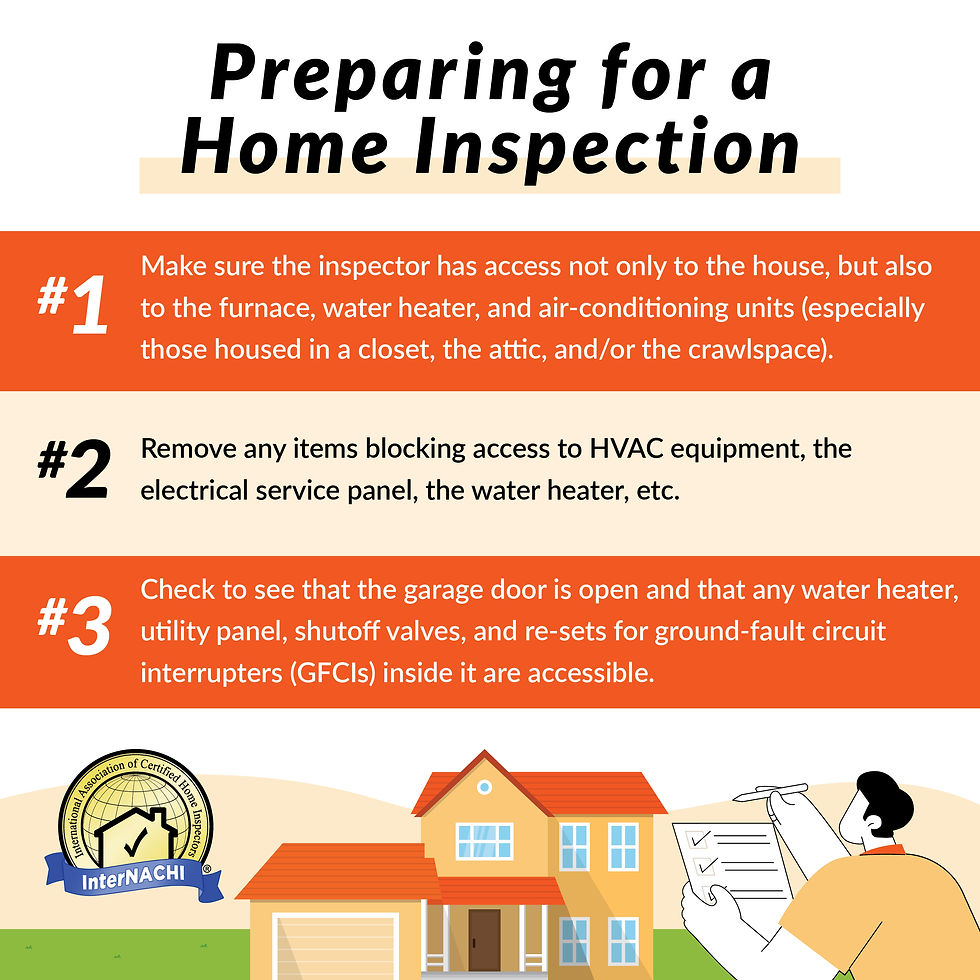
Preparing for a Home Inspection

Preparing for a home inspection is an important step when buying or selling a house because it helps identify potential problems before the sale is completed. A home inspection is a detailed examination of the property's major systems and structure, including the roof, foundation, plumbing, electrical system, heating and cooling equipment, windows, doors, and appliances. While no home is perfect, taking time to prepare can help the inspection go more smoothly and may prevent small issues from becoming larger concerns.
Before the inspection, homeowners should make sure the inspector has easy access to all areas of the property. This includes unlocking gates, clearing clutter from around the furnace, water heater, electrical panel, attic entrance, and crawl spaces. Replacing burned-out light bulbs, changing HVAC filters, and installing fresh batteries in smoke and carbon monoxide detectors are simple tasks that demonstrate the home has been properly maintained. Fixing small problems such as leaky faucets, loose door handles, damaged screens, cracked caulk, or running toilets can also create a better overall impression and reduce the number of minor items listed in the inspection report.
The outside of the home is just as important as the inside. Gutters should be cleaned, downspouts should direct water away from the foundation, and tree branches should be trimmed away from the roof. Walkways and driveways should be free of hazards, and the lawn should be mowed to improve the home's appearance. If the home has a garage, it should be organized enough for the inspector to safely access the walls, electrical outlets, and garage door opener. Pets should be secured during the inspection so they do not interfere with the inspector's work or create a safety concern.
Although homeowners may be nervous about the inspection, it is important to remember that the inspector is not grading the house or deciding whether it will be sold. Their job is simply to provide an honest evaluation of the home's condition. Being prepared, making necessary repairs, and keeping maintenance records available can help answer questions and show that the property has been well cared for. A clean, organized, and accessible home allows the inspection to proceed efficiently and gives both buyers and sellers greater confidence in the transaction. Taking the time to prepare can reduce stress, minimize unexpected findings, and help the home sale move forward with fewer delays.


Pet Safety Checklist
Moving to a new home can be an exciting experience for people, but it can be confusing and stressful for pets. Animals become comfortable with familiar surroundings, routines, and scents, so when those things suddenly change, they may feel anxious or frightened. During the moving process, the sounds of boxes being packed, furniture being moved, and strangers entering the home can cause pets to become nervous. Some may hide, bark, meow excessively, or refuse to eat because they do not understand what is happening. Traveling to the new home can also be difficult, especially for pets that are not used to riding in a car or spending time in a carrier. Long trips may leave them tired, dehydrated, or overwhelmed by the unfamiliar environment.
Once pets arrive at their new home, they need time to adjust to different sights, sounds, smells, and layouts. Dogs may become restless as they explore the new yard or neighborhood, while cats often hide until they feel safe enough to come out. Birds, rabbits, and other small animals can also become stressed by changes in noise levels and surroundings. During this adjustment period, some pets may have accidents indoors, lose their appetite, or behave differently than they normally do. These reactions are usually temporary as they begin to feel secure in their new environment.
Pet owners can make the transition easier by maintaining a regular routine for feeding, walks, playtime, and bedtime. Keeping familiar items such as favorite toys, blankets, or beds helps provide comfort because they carry familiar scents. Giving pets a quiet room away from the noise of unpacking can also reduce their stress. Owners should be patient, offer plenty of attention and reassurance, and allow their pets to explore the new home at their own pace. It is also important to update identification tags and microchip information in case a frightened pet escapes during the move. With time, consistency, and loving care, most pets adapt well to their new home and regain their confidence, allowing them to settle into their new surroundings and enjoy life with their families once again.

click here to download
Smoke Detector Safety
click here to download
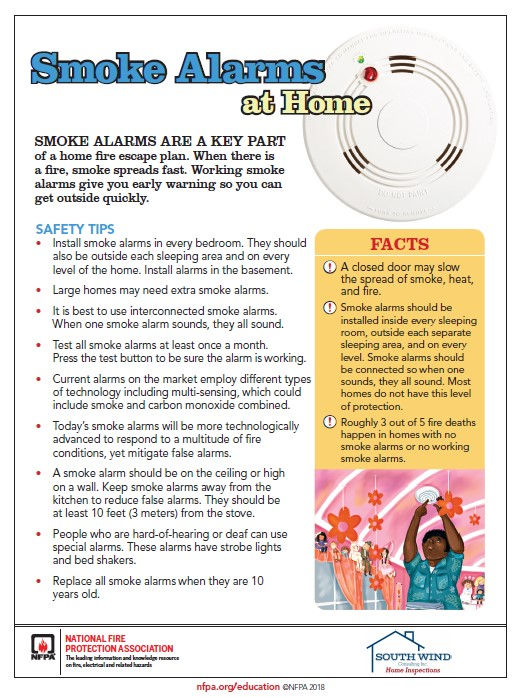
Smoke detectors are one of the most important safety devices found in a home because they can provide an early warning when a fire begins. Fires often spread much faster than people expect, and dangerous smoke can fill a room within minutes. In many cases, smoke is more dangerous than the flames because breathing it can cause people to become unconscious before they are able to escape. A working smoke detector sounds a loud alarm as soon as it detects smoke, giving everyone in the house valuable time to leave safely and call 911. That extra time can make the difference between life and death during an emergency.
To provide the best protection, smoke detectors should be installed on every level of the home, inside every bedroom, and outside all sleeping areas. Homes with larger floor plans may need additional detectors so the alarm can be heard throughout the house. It is important to test every smoke detector at least once a month by pressing the test button to make sure it is working correctly. If the detector uses replaceable batteries, they should be changed at least once a year or whenever the device begins to chirp, signaling a low battery. Even smoke detectors with long-life batteries should be replaced according to the manufacturer's recommendations, and the entire detector should usually be replaced every ten years because the sensors become less reliable with age.
Families should also create a fire escape plan and practice it several times each year so everyone knows exactly what to do if the alarm sounds. Every room should have at least two possible exit routes, and all family members should know where to meet outside after leaving the house. Once outside, no one should ever go back inside a burning building for pets or personal belongings. Smoke detectors should never be covered, painted, or blocked by furniture, and they should be cleaned occasionally to remove dust that could interfere with their operation. Although smoke detectors cannot stop a fire from starting, they greatly increase the chances of escaping safely. Taking a few minutes each month to test and maintain these devices is a simple responsibility that can protect lives, reduce injuries, and help keep families safe in the event of a fire.
Pool Safety
Pool safety is an important responsibility for everyone because swimming pools can provide hours of fun while also posing serious dangers if proper precautions are not taken. Every year, many accidents and drownings occur because people underestimate the risks around water. Drowning is one of the leading causes of accidental death for young children, and it can happen much faster and more quietly than most people realize. Unlike what is often shown in movies, drowning victims usually cannot call for help or wave their arms because they are struggling to keep their heads above water. A child can slip into a pool and drown in less than a minute if no one notices.
Children are especially vulnerable because they are naturally curious and may wander toward a pool without understanding the danger. For this reason, young children should never be left unattended in or around a pool, even for a few seconds. An adult who knows how to swim should always provide constant, undistracted supervision. Looking at a phone, reading a book, or stepping away "just for a moment" can be enough time for a tragedy to occur. Parents should also teach children that they should never go near the pool without an adult present, no matter how well they think they can swim.
A secure fence at least four feet high with a self-closing and self-latching gate should surround the pool to prevent children from entering the area without permission. Pool owners should also keep rescue equipment, such as a life ring or reaching pole, nearby in case of an emergency. Learning CPR and basic first aid is another important step because immediate action can save a life while waiting for emergency responders. Children and inexperienced swimmers should wear a properly fitted U.S. Coast Guard-approved life jacket instead of relying on inflatable toys or water wings, which are not designed to prevent drowning.
Following basic pool rules helps keep everyone safe. Running on wet pool decks should be avoided because slippery surfaces can cause falls and injuries. Diving should only take place in water that is deep enough to prevent head or spinal injuries. Swimmers should avoid rough play, pushing others into the pool, or swimming during thunderstorms because lightning can travel through water.
Keeping the pool clean and well maintained is also an important part of safety. Pool drains and covers should be inspected regularly, and the water should be properly treated with chemicals to reduce harmful bacteria and improve visibility. Pool toys should be removed from the water after swimming so children are not tempted to reach for them. By following these simple safety measures and always keeping a close watch on children, families can greatly reduce the risk of drowning and other accidents. A few moments of supervision and preparation can make the difference between a fun day at the pool and a heartbreaking tragedy.

Protect Your Investment with a Professional Inspection Report
Your home is a significant investment, and understanding its condition is key to maintaining its value. My InterNACHI®-certified inspections come with a detailed report, including clear findings, photos, and actionable recommendations. This report helps you address potential issues early, saving you time and money.
Want to see what my reports include? Click the button below.

